
Moving Home After a Malaysian International School
Published Updated
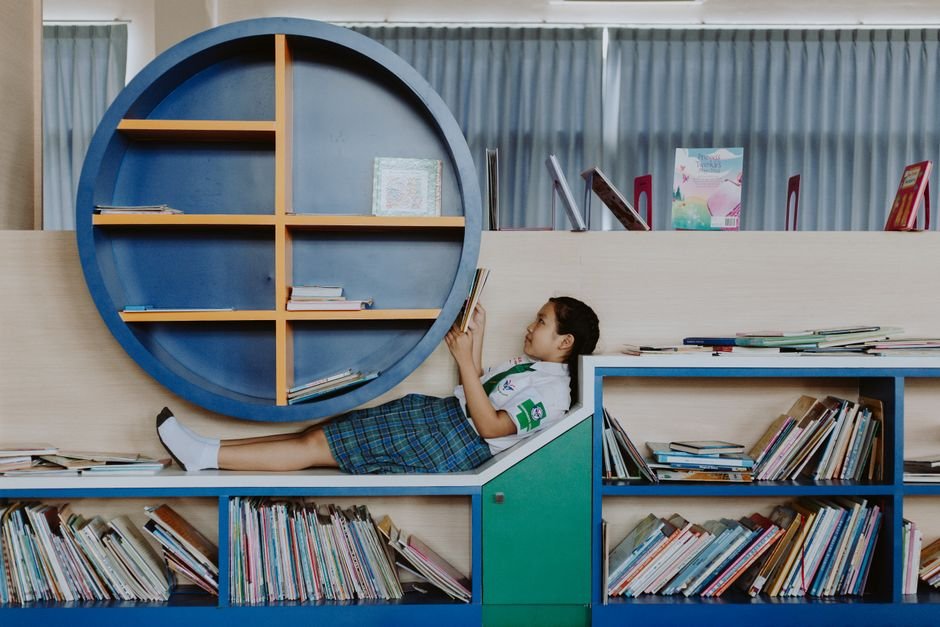
“My child has been at school in KL for two years, and we’re thinking of moving back home for middle school. Will that put him at a disadvantage?”
A mother living in Mont Kiara with her child asked me this in June. The family had planned to stay at least until the IGCSE before going back, but both parents felt their son’s Chinese was slipping, and they had started to hesitate.
I have heard many versions of this story: moving from a Malaysian international school back to the home country’s school system. Sometimes the education plan changes, sometimes it is family circumstances, sometimes it is the child’s own choice. Whatever the reason, going home does not prove that “international school didn’t work out.” Think of it as switching tools, a decision that calls for the same kind of thinking as choosing an international school in the first place.
My vantage point is a practical one. I have no children of my own; my work is housing, and over 12 years in real estate across two countries I have helped more than a hundred families settle here for their children’s schooling, and seen a fair number of them pack up again. What I can offer is a decision framework built from those moves, not a parent’s memoir.
The families in my examples are mostly from Taiwan, so where a detail is specific to one school system, I label it as the Taiwan example. The general lessons (curriculum fit, timing, language and credentials) apply wherever home is.
Contents
- Why families start thinking about leaving
- The two most common reasons to go home
- The real language gap: not what you expect
- When to go home, and when not to
- Three things to do before you leave
- Five types of family, five different answers
- Frequently asked questions
- Further reading
Why families start thinking about leaving a Malaysian international school
About once every three months I have a conversation like this. The parent lowers their voice as if confessing something awkward: “David, we’ve been wondering whether our child should go back home for middle and high school.”
As if going home means admitting that the last few years were a mistake.
It doesn’t.
From what I have seen, the reasons fall into a few groups, and you may recognize one or two:
- The child’s home language has clearly declined, with listening, speaking, reading or writing slipping faster than parents expected
- The plan was always to go home for university entrance (for example, top national universities or medicine), and the question was simply at which stage
- Family circumstances have changed: an aging parent’s health, a job change, exchange rates and budget can all shift
- The child wants to go home, which most often surfaces between the last year of primary school and the second year of middle school
- Malaysian policy changes, with uncertainty over renewing MM2H or guardian visas
- A poor fit with the curriculum, especially IB or IGCSE, which demand a lot of self-discipline
Of these, only the last one means “the original choice didn’t match the child’s personality.” The rest are family conditions and plans changing naturally over time. In almost every case, going home is a recalibration rather than a failure.
The two most common reasons to go home
The cases I have seen over the past 5 years fall broadly into two groups, and each leads to a completely different decision path.
Reason one: a plan to go home for university entrance (medicine, top universities)
These parents never treated “international school = a direct route to a university abroad” as their sole goal. They sent their children to Malaysia for a few years because they valued:
- Natural immersion in a bilingual environment (both English and Chinese are used)
- Malaysia’s large ethnic Chinese population, which keeps Chinese from fading
- Fees much lower than in Europe or North America, so the family can sustain it longer
- A climate and pace that suit accompanying parents, so they don’t burn out
But the final destination is the home country’s university entrance system, or more competitive routes such as medicine or electrical engineering and computer science.
For these families, the key decision is usually: when do we need to go back to be properly prepared for the national entrance exams?
The Taiwan example: the most typical timing I have seen is before the third year of junior high (the year before the Comprehensive Assessment Program for Junior High School Students), or before the start of senior high. Returning at that point still leaves time to catch up on the national curriculum and get math, physics and chemistry up to speed.
Reason two: the child isn’t adapting and needs a different system
This is a variation on the Mont Kiara mother’s situation. It might be that:
- The independent learning demanded by the IB is more than the child can handle
- Social relationships at school have stalled
- The child’s Chinese has declined to the point that they can’t follow their grandparents back home
- Or the child simply says “I want to go home”
For these families, the key decision is: keep going or cut your losses, which is better for the child’s long-term development?
There is no standard answer, but I usually remind parents: systems can be changed, and you don’t have to force your way through the same one. Staying in Malaysia but changing school (for example, from IB to British IGCSE, or from a private British school to an American one) is as much a recalibration as going home. Don’t reduce the options to “stay or leave.”
For more on how the choice of curriculum interacts with a child’s personality, see IB vs IGCSE vs AP compared. It is worth reading before you choose a school.
The real language gap: not what you expect
What parents most often overestimate is their child’s English. What they most often underestimate is their child’s Chinese, or more generally, their home language.
English first. After a Malaysian international school, your child’s English will be at the very top of their age group back home. Secondary school English classes will feel like child’s play. Parents don’t need to worry about this part.
The problem is the home language.
Home-language decline is faster than parents expect
In the cases I have seen, the curve usually looks like this:
- Year 1 in Malaysia: spoken Chinese is fine, but handwriting starts to slip
- Year 2: everyday conversation is fluent, but idioms, slang and written language start to show gaps
- Year 3: the child can speak Chinese, but their writing is 1 to 2 grades behind children of the same age at home
- Year 4 and beyond: unless the family deliberately keeps up Chinese reading, both listening and writing start to suffer
How steep the curve is depends heavily on the family. If parents speak Chinese at home, the child reads Chinese books regularly and the family watches Chinese-language shows at weekends, the decline is much slower. In an all-English household, the speed of decline will shock you.
The home language is the biggest challenge when you go back
When children return and enter middle school, the hardest subject in the first semester is often not math or physics but the national language subject.
The Taiwan example: in Chinese class, classical Chinese texts, reading comprehension and essay writing are all tough, head-on challenges.
I usually advise parents: start strengthening the home language 12 months before you go back. Not daily worksheets, but 30 minutes of reading in Chinese every day, short diary entries and video calls with grandparents. This kind of gentle maintenance works better than tutoring after you return.
The gap in math
The Taiwan example: math in Taiwan’s junior high comprehensive assessment and the senior high General Scholastic Ability Test usually runs 1 to 2 semesters ahead of the IGCSE or an American high school. If your child will return in the third year of junior high or the first year of senior high, start preparing for math well in advance.
Physics and chemistry show a similar pattern, but the gap is smaller than in math. Whatever your home country, compare the math syllabus for the year your child will enter against what they have covered.
When to go home, and when not to
 Photo: Pexels / Ron Lach
There is no standard answer here either, but I can set out some practical rules of thumb.
Good times to go home
When the education plan changes
If the family originally planned on a university abroad and has decided to switch to the home country’s entrance system, the earlier you go back the better. Returning at middle school is easier than returning at high school.
When the home language has seriously slipped
If your child struggles even to express a complete thought in Chinese to their grandparents, that is a warning sign. Going home lets them rebuild the foundation in a full home-language environment.
When the child clearly says they want to go home
Parents often overlook this. If a child between the last year of primary and the second year of middle school repeatedly says “I want to go home,” parents need to listen seriously. Not to accept it at face value, but because the signal is worth digging into: is the problem schoolwork, friendships or culture?
When family circumstances change
Exchange rates, budget, a grandparent’s health and job changes are all legitimate reasons to go home. There is no need to apologize for them.
Times not to rush home
When the child has only been there six months to a year
At this point the child is still adjusting, and adjusting is uncomfortable by nature. Rushing home teaches the child that “uncomfortable = failure.”
When the child is close to key IGCSE or IB exams
Both systems are externally examined and lead to formal certificates. If the exams are less than a year away, finish them before you go. With the certificate in hand, you will have more options.
When parents haven’t thought through the plan after returning
Rushing back simply because “we don’t want to keep spending” or “the kids have been difficult lately” will put your child through an even more painful transition. Going home needs a plan. It is not a retreat.
Three things to do before you leave a Malaysian international school
If you have decided to go home, this is the preparation list I usually give parents.
First: allow at least 6 months for a home-language bridge
Whatever grade your child will return to, intensify the home language for 6 to 12 months before you go. For example:
- 30 minutes of reading in Chinese every day (novels, magazines or newspapers all work)
- 1 to 2 short essays of 300 or more characters each week
- Parents deliberately discussing current affairs and family topics in Chinese
- An online tutor from home for the national language subject (1 to 2 sessions a week)
These 6 months will determine how painful your child’s first semester back is.
Second: start enrollment and transfer paperwork 3 months ahead
School transfer rules and catchment areas differ by country, so check the requirements of the city you will live in early.
The Taiwan example: transfers into public junior and senior high schools are assigned by school district based on household registration, so if you know which city or county you will live in, sort out your household registration first.
Wherever you are going, start preparing the documents you will need for the transfer (proof of enrollment, transcripts and credit recognition) about 3 months in advance.
International school transcripts often need certified translation. Some schools can issue bilingual transcripts and some cannot, so check with the school office first.
Third: prepare your child emotionally
I have seen parents tell their child “we’re moving back” just a week before the flight. That is a very poor approach. Children need time to say goodbye to friends, process their feelings and imagine their new environment.
Tell your child about the decision at least 3 months in advance, and let them take part in some of the planning: which neighborhood to live in, which school to attend, how to set up their room. When the child feels “this is a decision we made together,” adjusting after the move goes much more smoothly.
Five types of family, five different answers
I group the families I have worked with over the past 5 years into five rough types. Each one approaches the question of leaving a Malaysian international school a little differently.
Type one: university-entrance planners
From an early age, the child has been aiming for medicine or a top university at home, and Malaysia is an “English immersion period.”
When to go home: go back before the final year of middle school, and leave it no later than early senior high. (The Taiwan example: return before the third year of junior high, and no later than the summer holiday of the first year of senior high.) After returning, go straight into the national system to prepare for the entrance exams.
What to watch: these families most often underestimate how competitive university entrance is at home. Moving from an international school into the national system, grades in the first six months will look bad. That is normal.
Type two: long-term stayers
The parents always planned to live in Malaysia for 5 to 10 years or more, with the child studying from primary school through to the end of high school and then applying to universities abroad.
When to go home: in principle, they don’t. But if the child’s Chinese declines badly, parents worry about “losing our roots back home.” In that case, consider short bridging courses at home during the school holidays to keep the language up.
Type three: testing the waters
The family comes to Malaysia for 1 to 2 years, continues if the child adapts well, and goes home if not.
When to go home: these families most need to set “checkpoints” in advance. For example, review academic progress and emotional adjustment one year in, and decide then whether to continue. Don’t keep “testing” indefinitely.
Type four: driven by family circumstances
They didn’t plan the move. They came because of a job transfer, a grandparent’s health, investment migration or other circumstances outside their control.
When to go home: follow the family circumstances. My usual advice to these families: work out arrangements for grandparents, work and housing at home first, then decide on the child’s school. Don’t stay in Malaysia just for the school, and don’t break the child’s learning rhythm just to move back.
Type five: the child decides
The parents set out the options, and the child chooses whether to stay or go.
When to go home: respect the child’s decision, but help them understand the consequences clearly. Put everything on the table: what staying means and what going back means. A child’s own decision is their first step in taking responsibility. Parents should help, but not decide for them.
Frequently asked questions
Q1. Will schools at home recognize my child’s Malaysian international school transcript?
The Taiwan example: the receiving school reviews the foreign credentials under the Ministry of Education’s measures for recognizing overseas studies, and decides how credits transfer. Private schools are also generally receptive. Wherever home is, once you decide to return, check with the target school’s academic affairs office about the documents they need.
Q2. My child has been at an international school in Malaysia for 3 years. Will moving into middle school at home be very hard?
English will be no problem at all. The home language and the national language subject will be the biggest challenge (the Taiwan example: especially classical Chinese and essay writing). Math needs advance preparation against the home curriculum (in the Taiwan example, it usually runs about 1 semester ahead). The gap in physics and chemistry is smaller than in math. Start intensive work on the home language and math 6 to 12 months before you go back.
Q3. Is it still possible to go home for high school after finishing the IGCSE?
Children usually complete the IGCSE at 15 to 16, and returning into the first or second year of senior high is possible. But be aware that high school curricula are sequential (the Taiwan example: math, physics and chemistry run continuously from the first to the third year of senior high), so joining partway through leaves gaps. If you plan to take this route, discuss a bridging plan with the target school first. Summer catch-up classes may be needed.
Q4. Should my child finish a semester or a full school year before we go home?
As a rule, finish the school year before you go. Transferring mid-year leaves a gap in your child’s academic record, which is unhelpful for later applications and credential recognition. Unless there is a very urgent family reason, wait until the year ends.
Q5. If we go home, can my child come back to an international school in Malaysia later?
Yes. International schools won’t turn a child away because they previously went home. But you will have to go through the admissions assessment again, pay registration fees and possibly retake an English test. If the original school still has a place, re-entry is usually smoother.
Q6. Is it better to go home during primary school or middle school?
Most parents I have worked with say the transition is smoother at the primary stage. The home-language foundation hasn’t been lost entirely, and friendships are easier to rebuild. Children who return in middle school often find the first six months hard, but once through it, the overall direction isn’t affected. The real difficulty is returning during high school, when the home country’s university entrance preparation is already in its final sprint.
Further reading
Want to dig deeper? These topics cover the other angles you need when making decisions about international school in Malaysia:
- The complete guide to international schools in Malaysia
- IB vs IGCSE vs AP: how to choose the right curriculum for your child
- Where to live when relocating for school: choose the school or the area first?
- What age to start a Malaysian international school: entry ages and English requirements
- KL vs Penang international schools compared
For more like this: our LINE community, YouTube channel "Hi 我是David" (in Mandarin), or email david.lai@xinwaycapital.com.