
Who Should Apply for MM2H? A Decision Tree
Published Updated

“Should I apply for MM2H?”
I hear this question at least three times a week in consultations. And I usually answer with a question of my own: “Why do you want it?”
I am not trying to get philosophical. Who should apply for MM2H depends entirely on what you want to do in Malaysia. (MM2H, Malaysia My Second Home, is the country’s long-stay visa program.) For some people it is excellent value, some do not need it at all, and some will regret applying. The difference is not whether MM2H itself is good, but which type of applicant you are.
People have been asking me about MM2H every week for years, and their motives fall broadly into three types. This article lays out the decision path for each type, the right answer for each, and the traps each one tends to fall into. By the end you will know whether you should apply, and for which tier.
Contents
- Who should apply for MM2H? First answer one question: how long will you stay in Malaysia?
- Type 1: complete newcomers who have not decided whether to move
- Type 2: committed long-term residents planning to settle for five years or more
- Type 3: investors and holiday-home owners who do not plan to live here
- The flip side: when I advise you not to apply for MM2H
- Which MM2H tier fits each type
- Frequently asked questions
- Want to go further?
Who should apply for MM2H? First answer one question: how long will you stay in Malaysia?
MM2H has one core value: it solves the problem of wanting to live in Malaysia long term without the status to do so. So the most direct way to judge whether MM2H suits you is to ask:
“Over the next 5 to 10 years, how much of each year do you plan to spend in Malaysia?”
Based on the answer, I divide applicants into three types:
- Complete newcomers: planning to stay 0 to 30 days a year, still exploring
- Long-term residents: planning to stay 90 days a year or more, even half the year or the whole year
- Investors and holiday-home owners: planning to stay 0 to 60 days a year, mainly to invest or holiday
The right answer is completely different for each type. Some people do not need MM2H at all, some need it badly, and some should apply but do not need the most expensive tier.
Let me go through them one by one.
Type 1: complete newcomers who have not decided whether to move
This is the type I meet most often. The defining trait: “I’ve heard Malaysia is good and want to come and see, but I’ve never actually lived there.”
What they look like
- Have never lived in Malaysia (at most visited a few times as tourists)
- Have no feel yet for whether KL, Penang or Johor Bahru would suit them
- Have only a vague impression of the climate, transport, food, the size of the Chinese community and safety
- Receive many messages from visa agents and want to “apply while there’s a promotion”
My advice: do not apply for MM2H yet
I know this is the opposite of what many visa agents will tell you. But in practice I have seen too many clients decide with no experience of life in Malaysia at all, and after getting MM2H they discover:
- KL traffic is much worse than they imagined
- They do not fully adapt to the safety situation, the weather or the food
- They chose to settle in KL but later want to move to Penang
- They chose Gold MM2H but find they cannot spend 90 days a year here
The order I suggest for this type
- Come first on a visa-free entry for an in-depth trip (15 to 30 days, covering three or four cities)
- Go home and think about how long you could really live here each year
- If you decide to come → return six months later to try renting, staying within your visa-free period on each trip and splitting it over two or three trips
- If the trial feels right → only then start the MM2H application
This order sounds slow, but the mistakes it saves you from cost far more than MM2H agent fees plus the opportunity cost of the deposit. Among the cases I have seen, families who followed this order before applying for MM2H were almost all still satisfied at renewal.
The sticking point: visa-free stays can be as short as 30 days
Some people ask, “Without MM2H, how can I try living there for longer?”
How long you can stay visa-free depends on your passport. Holders of a Taiwan passport, for example, currently get 30 days in Malaysia. Visa-free entry is meant for visits, and immigration may question repeated entries made to stretch a stay, so I do not recommend relying on visa runs.
My practical suggestion: plan a trial stay that fits within your visa-free period, or split it into separate trips months apart. If you want a longer trial, check which visa options your nationality has for a longer visit before you come.
Type 2: committed long-term residents planning to settle for five years or more
This type is MM2H’s most direct audience, and the group the policy was designed for.
What they look like
- Have already tried living in Malaysia over at least two or three trips (some for several months in total)
- Know clearly that they want to live in KL, Penang, Johor Bahru, Ipoh or another city
- Plan to stay 90 days a year or more (even half the year or the whole year)
- Have children studying in Malaysia who need a parent with them
- Or are retirees making Malaysia their second home
My advice: MM2H is good value for you, and I strongly recommend applying
The reasons:
- You have already decided to live here → MM2H legally solves the long-term residence question
- You already spend enough time here → the 90-day minimum stay is no burden
- The deposit and property thresholds → for you these are things you would do anyway (“the money has to sit in a bank somewhere, and I was going to buy a home anyway”)
- Tax benefits (if you stay 182 days and become a tax resident) → a real help for long-term residents
How this type should choose a tier
When long-term residents choose an MM2H tier, I usually ask three things:
- Do you need to work or run a business? (Yes → go straight to Platinum. No other MOTAC tier allows employment or running a business)
- Which tier can your budget support? (Silver, with a US$150,000 deposit, about RM 609,000, plus a RM 600,000 property, about US$148,000, is the lowest threshold)
- How long do you want to stay? (15+ years → Gold; 20+ years → Platinum)
Long-term residents with no need to work and an ordinary budget → Silver is the most economical: renewable every 5 years, the lowest threshold, and property can be bought in KL or Penang.
High-net-worth long-term residents who need to work or run a business → Platinum: the only MOTAC tier that allows salaried work and business, with a 20-year visa (outside MM2H, PVIP is the other route that allows work).
A side benefit for families relocating for school
If your motive is to be with your child while they attend international school, MM2H has an important benefit: dependents can receive passes with the main applicant: your spouse, children under 21, unmarried and unemployed children aged 21 to 34, children with a certified disability, and parents or parents-in-law.
In other words, with one main MM2H pass the whole family gets long-term residence status in Malaysia, and your child can legally attend international school (most schools require proof that a parent holds a long-term visa).
I have written separately about where to live and which curriculum to choose when relocating for school in choosing where to live when relocating for school in Malaysia. Families in this situation should read it before applying for MM2H.
Type 3: investors and holiday-home owners who do not plan to live here
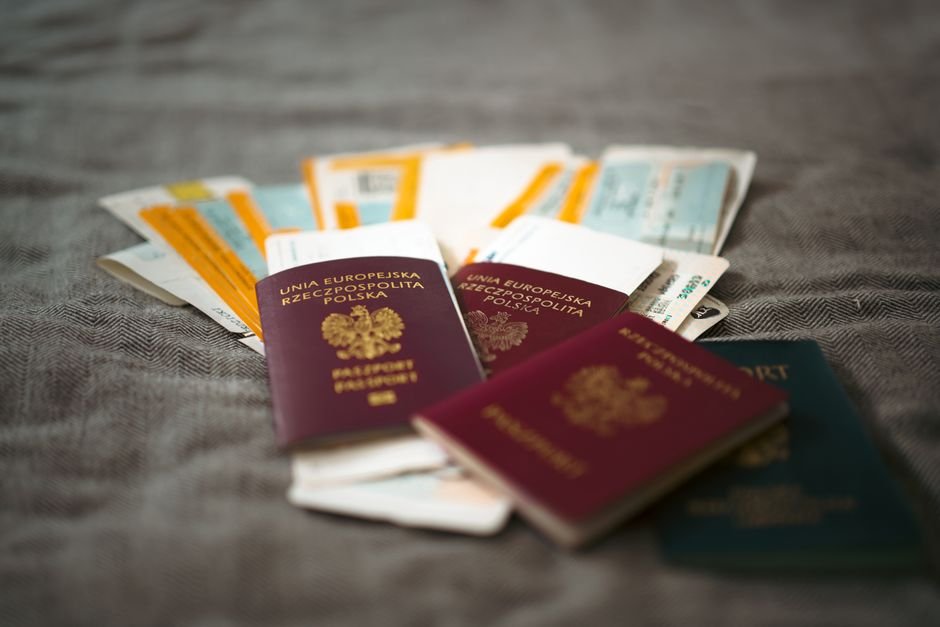 Photo: Pexels / Jakub Zerdzicki
This is the second most common type I meet. The defining trait: “I want to buy property or holiday in Malaysia, but I don’t plan to live there.”
What they look like
- Have spare capital they want to put into Southeast Asian real estate
- Want to buy a holiday home in KL, Penang or Johor Bahru and come for one to three months a year
- Have a business, family or other responsibilities back home that keep them from living here long term
- Have no interest in “becoming Malaysian” and just want a holiday base
My advice: MM2H may not be worth it for you. Answer three questions before you decide
When this type comes for advice, I usually ask three questions straight away:
Question 1: You can already buy property in Malaysia. Do you need MM2H for that?
Answer: No. Foreigners do not need MM2H to buy property in Malaysia. As long as you meet each state’s foreign buyer threshold (for example, from RM 1,000,000, about US$246,000, in KL, and in Penang from RM 500,000, about US$123,000, for mainland strata to RM 3,000,000, about US$739,000, for landed property on the island), you can buy directly.
In other words, if your motive is purely to buy property as an investment or a holiday home, you do not need MM2H at all. The US$150,000 to US$1,000,000 deposit plus agent fees you save can go into a better property or other investments.
Question 2: Will you stay more than 30 days a year?
If your passport gives you 30 days visa-free (as in the Taiwan example above) and you only come for 20 days of holiday a year, visa-free entry is enough and you do not need a visa.
If you come for 60 to 90 days a year, spread over several separate trips that each fit within your visa-free period, you may not need MM2H either. But if your trips start to run back to back, immigration may question repeated entries, and that is the point to consider a long-term pass.
Question 3: Will you use a Malaysian bank account for investment or business?
If so, MM2H has one extra benefit: the visa is the easiest qualification for opening an account. With an MM2H sticker in your passport you can open an account at a Malaysian bank, place fixed deposits and move money.
You can open an account without MM2H, but the bar is much higher (a work visa, a registered property address, case-by-case review by the bank), and in practice it is a hassle.
When MM2H can still make sense for investors and holiday-home owners
In these three situations, MM2H may be worth it even if you do not live here long term:
- Your property investment exceeds RM 5,000,000 (about US$1.23 million): the opportunity cost of the MM2H deposit is relatively easy to absorb, in exchange for 15 to 20 years of visa flexibility
- You frequently need to move money, open accounts or do business in Malaysia: MM2H solves the status question for you
- You are a retiree aged 50 or over who uses Malaysia as a second home for holidays: with no minimum stay at 50 and over, MM2H gives long-term flexibility without the 90-day obligation
If none of the three fits, what you need may not be MM2H at all, but “PVIP or an ordinary short-term visa, plus buying property directly.” I compare PVIP (the Premium Visa Programme) in detail in the complete PVIP guide. It is more flexible than MM2H but has a higher threshold, and suits high-net-worth applicants.
The flip side: when I advise you not to apply for MM2H
Here are the situations I have met in practice where I tell clients outright, “Don’t apply”:
You stay less than 90 days a year and are under 50
MM2H for applicants under 50 comes with a minimum stay (90 days or more each year). If you stay less than 90 days a year, your renewal may be marked down or even refused. Rather than take the risk, wait a few years and apply when you can actually stay that long.
You want MM2H so you can work on the side
Apart from Platinum, no MOTAC MM2H tier allows employment. If earning a salary is part of your reason for coming to Malaysia, what you need is a work visa (Employment Pass), not Silver or Gold MM2H.
You think MM2H means immigration and a new status
MM2H is a long-term residence visa. It is not immigration, and it will not give you a Malaysian passport or citizenship. If your goal is to change nationality, MM2H cannot solve that at all. I break down this misunderstanding in MM2H immigration myths debunked.
The MM2H deposit would choke your cash flow
A deposit of US$150,000 to US$1,000,000 is not a small sum. If tying it up would affect your quality of life back home, your business cash flow or your emergency reserves, MM2H is not worth it. Fixed deposits earn roughly 2.5% to 3.5% a year, depending on the bank and currency; they are not an investment tool, and the opportunity cost has to be counted.
The rest of the family does not want to come
I have seen main applicants who badly wanted MM2H while the spouse did not want to move and the children did not want to change schools. After getting MM2H, only the main applicant came for the 90 days, so it became “a visa for living alone in a foreign country for three months.” That arrangement rarely lasts five years before they want out. MM2H is a family decision, not an individual one.
Which MM2H tier fits each type
If you are sure you want to apply, here is my recommendation for the three types across the tiers in one table:
| Type | Recommended tier | Reason |
|---|---|---|
| Type 1: complete newcomer | Do not apply yet | Try several trips of living here (each within your visa-free period) first, then decide |
| Type 2: long-term resident (no need to work) | Silver | US$150,000 deposit + RM 600,000 property, the lowest threshold |
| Type 2: long-term resident (needs to work or run a business) | Platinum | The only MOTAC tier that allows employment and business |
| Type 2: long-term resident (high net worth, wants to stay longer) | Gold or Platinum | 15 to 20 years of visa flexibility |
| Type 3: investor or holiday-home owner (occasional use) | Do not apply, or the Johor SEZ/SFZ tier or Sarawak S-MM2H | Visa-free visits may be enough |
| Type 3: investor or holiday-home owner (frequent use + large assets) | Gold | Balances investment and residence |
I break down the full thresholds, deposits, minimum stays and property requirements for every tier in the complete MM2H 2026 application guide. This article focuses on the decision itself: which type you are, and whether to apply.
Frequently asked questions
Q1. Who should apply for MM2H? If I have never lived in Malaysia, can I apply straight away?
Technically yes, but I strongly advise against it. The MM2H deposit and property purchase lock up real money, and if you discover after applying that you do not adapt, the cost of getting out is high. I suggest trying it over several trips, two to three months in total, before deciding.
Q2. I am 45 and want to move here after 60. Is it worth applying for MM2H now?
No. If you get MM2H between 45 and 49 but stay less than 90 days a year, you will have problems at renewal. I suggest applying after 50 (when there is no minimum stay), or one to two years before you are sure you will move here.
Q3. I own a home in Malaysia and want my child to live there and attend international school. Do I need MM2H?
A child attending international school needs proof that a parent holds a long-term visa. If you are happy for your spouse to be the accompanying parent, your spouse can apply for a guardian visa linked to the child’s student pass. If you want a longer-term family visa, MM2H is the most direct solution.
Q4. How does deciding on MM2H differ from deciding on PVIP?
PVIP takes a different route: a fixed deposit of RM 1,000,000 (about US$246,000), a government fee of RM 200,000 (about US$49,300, for the main applicant), and offshore income of RM 40,000 a month (about US$9,850) or RM 480,000 a year. In return there is no minimum stay at all, you can work, there is no property purchase requirement, and the visa runs for 20 years. It suits people who stay less than 60 days a year but want maximum visa flexibility, or who want to do business in Malaysia. MM2H is more accessible but has a 90-day minimum stay (for those under 50), and suits families who will genuinely live here. I compare them in detail in the complete PVIP guide.
Q5. Do I have to give up my citizenship to hold MM2H?
No. MM2H is a long-term residence visa for foreigners and is completely separate from your nationality. You keep your own passport and hold the MM2H visa alongside it.
Q6. How many years after getting MM2H can I exit, and how does exiting work?
You can exit at any time. Notify your agent and MOTAC’s MM2H Centre, return the visa sticker, withdraw the fixed deposit and dispose of the property. For the property, note the 10-year holding rule, and check with your agent and lawyer what applies to a sale after you exit. How long the whole exit takes depends on the deposit release and the property sale.
Want to go further?
These topics fill in the other angles you need for an MM2H decision:
- The complete MM2H 2026 application guide: five tiers and the latest thresholds
- The MM2H application process explained: 8 steps, 3 to 6 months, and why an approval letter is not a visa
- MM2H minimum stay requirements: how the 90 days are counted
- Rent before you buy in Malaysia: why I did not buy straight away after moving to KL
- The complete PVIP guide: how it differs from MM2H, and why I chose PVIP
For more like this: our LINE community, YouTube channel "Hi 我是David" (in Mandarin), or email david.lai@xinwaycapital.com.