
Malaysia RPGT for Foreigners: Rates and the 7% Withholding
Published Updated Last fact-checked
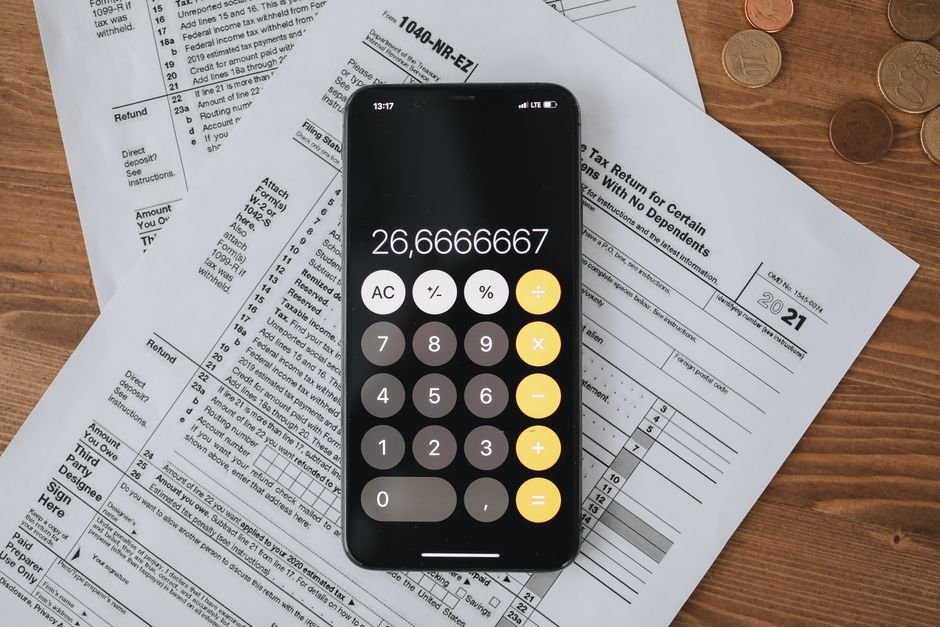
Selling Malaysian property as a foreigner comes with two surprises: a gains tax of up to 30%, and 7% of the price held back by the buyer before you see the proceeds. Here is how both work, including what happened when my own refund arrived.
Contents
- What is RPGT? What foreigners need to understand before selling
- Malaysia RPGT rates for foreigners at a glance
- How does the 7% withholding work?
- My own story: money suddenly appeared in my account
- Why Malaysia RPGT makes flipping hard for foreigners: two layers of tax
- Passing property on: inheritance by will and lifetime gifts
- Cross-border planning: keep separate wills for each country
- Frequently asked questions
- Further reading
What is RPGT? What foreigners need to understand before selling
RPGT stands for Real Property Gains Tax. It is the tax the Malaysian government levies on the capital gain made when a property is sold. Put simply, if you make money selling your home, the government takes a share.
It is paid by the seller, not the buyer. I often have to spell this out to clients. People are used to the buyer paying stamp duty and legal fees, and easily forget that when they become the seller one day, there is an RPGT bill to work out too.
The design of RPGT is not complicated: the shorter you hold, the higher the rate; the longer you hold, the lower the rate. The legislative intent is clear: to curb short-term speculation. The Malaysian government wants capital that stays for the long term and supports development, not speculators who get in and out quickly.
From what I have seen over 12 years in real estate, many foreign owners never properly worked out their holding costs when they bought, and only discover at the point of sale that RPGT is a big slice. The rates for foreigners in particular are much higher than for locals, which I explain in the next section.
Malaysia RPGT rates for foreigners at a glance
RPGT rates depend on two things: who you are (local or foreigner) and how long you have held the property.
For foreigners, the rate structure is broadly as follows (rely on what LHDN, the Inland Revenue Board of Malaysia, publishes; tax law can change, so verify again before signing):
| Holding period | Rate for foreigners |
|---|---|
| Held 1-5 years | 30% |
| More than 5 years | 10% |
By comparison, locals pay 0% RPGT after five years, while foreigners pay 10%. The gap is permanent: living here for a long time does not put you on the same footing as a local.
I often tell foreign owners who want to sell: five years is the threshold. Get past it and the rate drops from 30% to 10%, a very large difference. If you rush to sell three years after buying, you can be almost certain the profit on the deal will be heavily squeezed.
RPGT is charged on the net gain, “sale price minus acquisition cost”, not on the full sale price. Costs such as the stamp duty and legal fees you paid on purchase, and agent and legal fees on sale, are allowable costs that reduce the gain. If you buy for RM 1 million (about US$246,000) and sell for RM 1.3 million (about US$320,000), the taxable base is RM 300,000 (about US$73,900), not RM 1.3 million. Renovation costs and other allowable capital expenditure can be included in your cost base, so keep the receipts.
For the full financial picture of buying property in Malaysia as a foreigner, see:
The complete process for foreigners buying property in Malaysia
How does the 7% withholding work?
This is the mechanism many foreign owners do not see coming. I only really understood it after going through it myself.
When you sell Malaysian property as a foreigner (a non-citizen who is not a permanent resident), the buyer is required by law (Section 21B of the Real Property Gains Tax Act) to withhold 7% of the total consideration or the whole of the cash consideration, whichever is lower, and pay it to the Inland Revenue Board (LHDN) within 60 days of the disposal date. In practice, the buyer’s lawyer usually handles this. It is mandatory, not optional, and no lawyer can let you skip it. If the buyer pays late, LHDN imposes a 10% penalty on the unpaid amount.
Note that the 7% is a withholding, not the final tax.
The logic works like this:
- The government takes 7% upfront as security
- The seller then files an RPGT return
- LHDN calculates the final amount due based on your actual gain and rate
- If the 7% was too much, the difference is refunded to you; if it was not enough, you pay the balance
The problem is the wait. In my experience, the refund process takes about six months on average, sometimes longer. Your 7% sits frozen with LHDN until they finish their review.
If your financial plans are time-sensitive, factor in this six-month gap. You can contact LHDN yourself and submit a complete set of filing documents to speed up the review. I have seen several clients do this and finish in three or four months, though it also depends on how efficient your tax agent is.
LHDN’s official information:
My own story: money suddenly appeared in my account

Photo: Pexels / Thirdman
On the subject of the 7% withholding, here is a mix-up that really happened to me.
One day, a sum of money suddenly appeared in my bank account. It was not a small amount, and I stared at the figure for a long time: “Who sent this to me by mistake?” I even started wondering whether I should contact the sender or tell the bank.
Then it clicked. It was my RPGT refund.
I had completely forgotten that 7% had been withheld when I sold. Several months had passed since the sale, a lot had happened in between, and the 7% withholding had quietly slipped to the back of my mind. When LHDN finished its calculation and confirmed that my actual tax was below 7%, it refunded the difference, and for a moment I thought the money had fallen from the sky.
I often tell this story when I talk tax planning with foreign owners, because it carries a few lessons:
First, the 7% is taken upfront, not after you file, so your sale proceeds are short from the day of completion. Second, a refund is possible, and sometimes it is larger than you expect. Third, nobody will remind you about the refund: you have to chase it yourself or have a tax agent do it. Fourth, the timeline is very vague, and after a few months it is easy to forget, so set a reminder in your calendar.
Why Malaysia RPGT makes flipping hard for foreigners: two layers of tax
Malaysia has an interesting market characteristic: it is not an easy market to flip, especially for foreigners.
From entry to exit, foreigners trading property in Malaysia face two tax walls:
The first wall: 8% stamp duty
Foreigners buying residential property in Malaysia pay 8% stamp duty. It arises at purchase, and you pay it whether or not you ever make a profit. For the detailed calculation, see:
Malaysia’s 8% stamp duty for foreign buyers
The second wall: 30% RPGT (within five years)
Sell within five years and the capital gain is taxed at 30%.
Put the two together: say you buy for RM 1 million (about US$246,000) and pay RM 80,000 stamp duty (about US$19,700). Three years later you sell for RM 1.2 million (about US$296,000), a paper gain of RM 200,000 (about US$49,300). Stamp duty paid on purchase counts toward your acquisition cost, so the taxable gain is RM 120,000 and RPGT at 30% is RM 36,000 (about US$8,900). After the RM 80,000 stamp duty, your real net gain is about RM 84,000 (about US$20,700), before legal fees, property management fees and mortgage interest during the holding period. That assumes prices rose 20%. If prices rose only 10% or stayed flat, the fees could leave you with very little or a loss.
That is why I often say Malaysia is a market for long-term holding as far as foreigners are concerned. The policy is designed that way, so come in prepared to stay for the long run.
For how foreigners’ loans are structured, see:
Home loans for foreigners in Malaysia
Passing property on: inheritance by will and lifetime gifts
If your plan is to pass Malaysian property on to your children, plan it in advance, not when the time comes to act. There are two common routes:
Lifetime gift: check the tax treatment of a gift with a lawyer or tax adviser first.
Inheritance by will: currently no RPGT is charged, and heirs take over the property with no direct tax cost. This is currently the main route for passing on real estate wealth in Malaysia.
Note that “currently no RPGT” is current policy. Tax law can change, and nothing here is permanent. Executing a will involves Malaysian legal procedure: you need a will made locally in Malaysia, and you need to understand how probate works here. As a holder of PVIP (Malaysia’s Premium Visa Programme), when I planned this for myself I also asked a local lawyer to double-check. For questions that involve law and cross-border issues, relying on what friends say or what you read online is too risky. Use proper professional channels.
Cross-border planning: keep separate wills for each country
If you have assets both in your home country and in Malaysia, this matters a great deal:
Make separate wills for your home country and for Malaysia. Do not use one will to cover assets in two countries.
A will made in your home country is not automatically recognized in Malaysia, and the reverse is also true. If you use a foreign will to deal with Malaysian property, the inheritance process may first need legal authentication in your home country, and then go through Malaysia’s process for recognizing a foreign will. It is complicated and slow, and leaves more room for error.
The cleaner approach: assets at home are governed by a will made at home, Malaysian assets by a Malaysian will, with each drafted by a local lawyer so it meets that country’s legal format and requirements. This is not only for high-net-worth individuals. If you hold any real estate in Malaysia, you should take this seriously.
For fuller cross-border tax planning, see:
The complete cross-border tax guide for Malaysia
Minimum purchase prices for foreigners also differ by state, so check before planning:
Foreign buyer thresholds by state in Malaysia
Frequently asked questions
Q1. Does the seller or the buyer pay RPGT?
RPGT is borne by the seller. When the seller is a foreigner, the buyer’s duty is to withhold 7% of the total consideration or the whole of the cash consideration (whichever is lower) and pay it to LHDN within 60 days of the disposal date. The final tax liability rests with the seller. The buyer does not pay any extra tax; it simply plays the role of withholding agent in the process.
Q2. If the 7% withholding is more than the actual tax, is the difference refunded?
Yes. The 7% is a prepayment, not the final tax. After LHDN reviews your RPGT return, if it confirms that the tax due is below 7%, it refunds the difference. Refunds take about six months on average, and you can contact LHDN yourself to speed things up.
Q3. What RPGT does a foreigner pay when selling after more than five years?
After more than five years, the RPGT rate for foreigners is 10%. Locals pay 0% after five years, and this gap does not disappear however long you live here. Check the latest rate with a tax agent before signing.
Q4. If I made no profit on the sale, do I still pay RPGT?
RPGT is a tax on capital gains. If the sale price is below your acquisition cost, there is in principle nothing to tax, but you still need to file an RPGT return so LHDN can assess it.
Q5. Is there an RPGT exemption for an owner-occupied home in Malaysia?
Malaysian individuals get a once-in-a-lifetime RPGT exemption on a residential property, but it is limited to Malaysian citizens and permanent residents. Foreigners currently do not qualify.
Further reading
For more like this: our LINE community, YouTube channel "Hi 我是David" (in Mandarin), or email david.lai@xinwaycapital.com.